A Grey Day in Caldbeck
Cold stream, old stone, and a village between seasons
4th February 2026
Hello,
On Saturday the 1st of February, I went for a wander around Caldbeck — a small, historic village tucked quietly into the northern edge of the Lake District National Park. It was one of those days that never quite decides what it wants to be. Dull, overcast, with a fine mist of rain hanging in the air. Not enough to justify waterproofs, but enough to soften everything. The sort of weather that flattens colour and lowers the volume of the landscape.
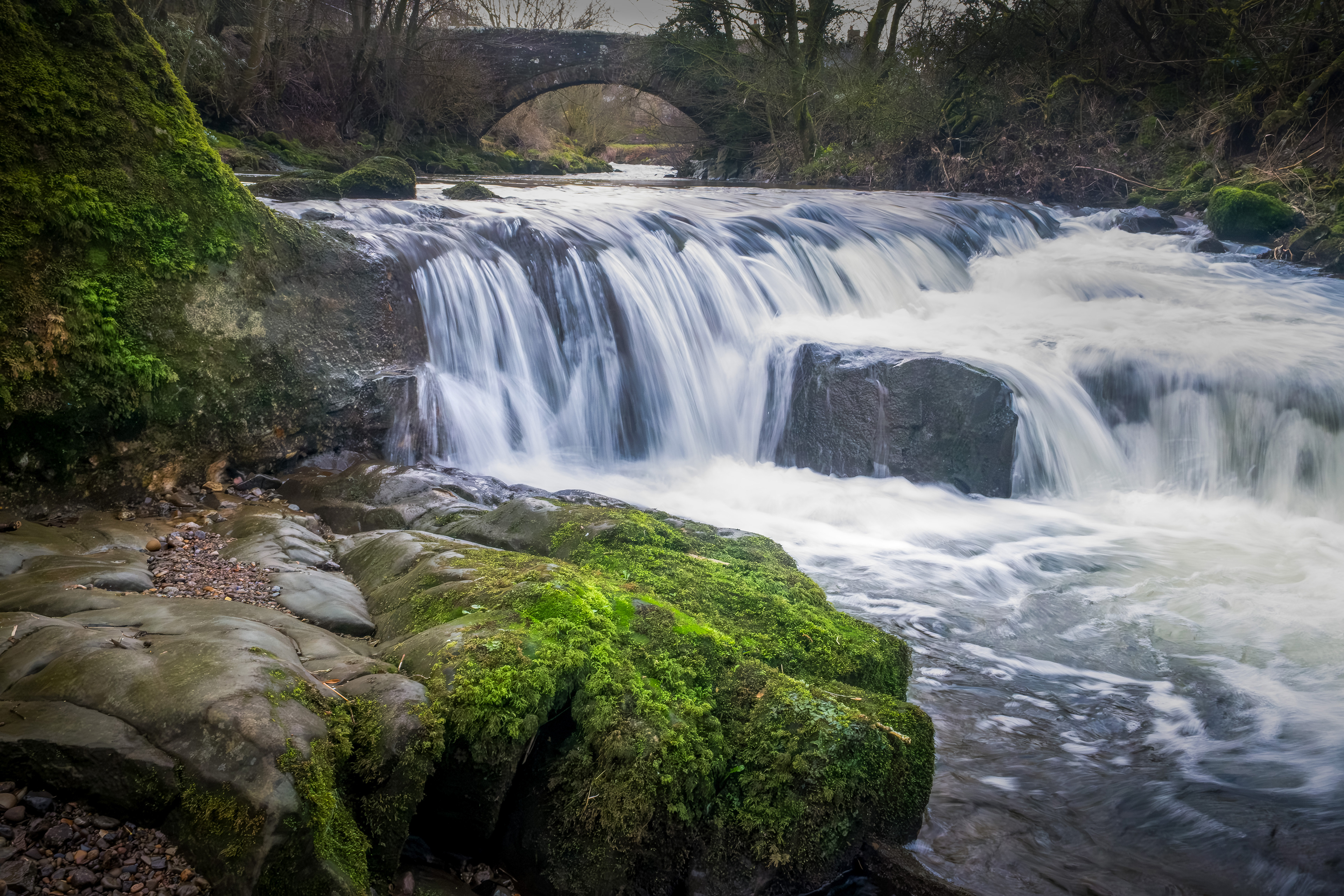
We followed the river first, its steady movement cutting through the stillness. The sound of water is different on days like this — less sparkle, more murmur. It feels older somehow, as if it’s been doing this long before anyone thought to name the place.
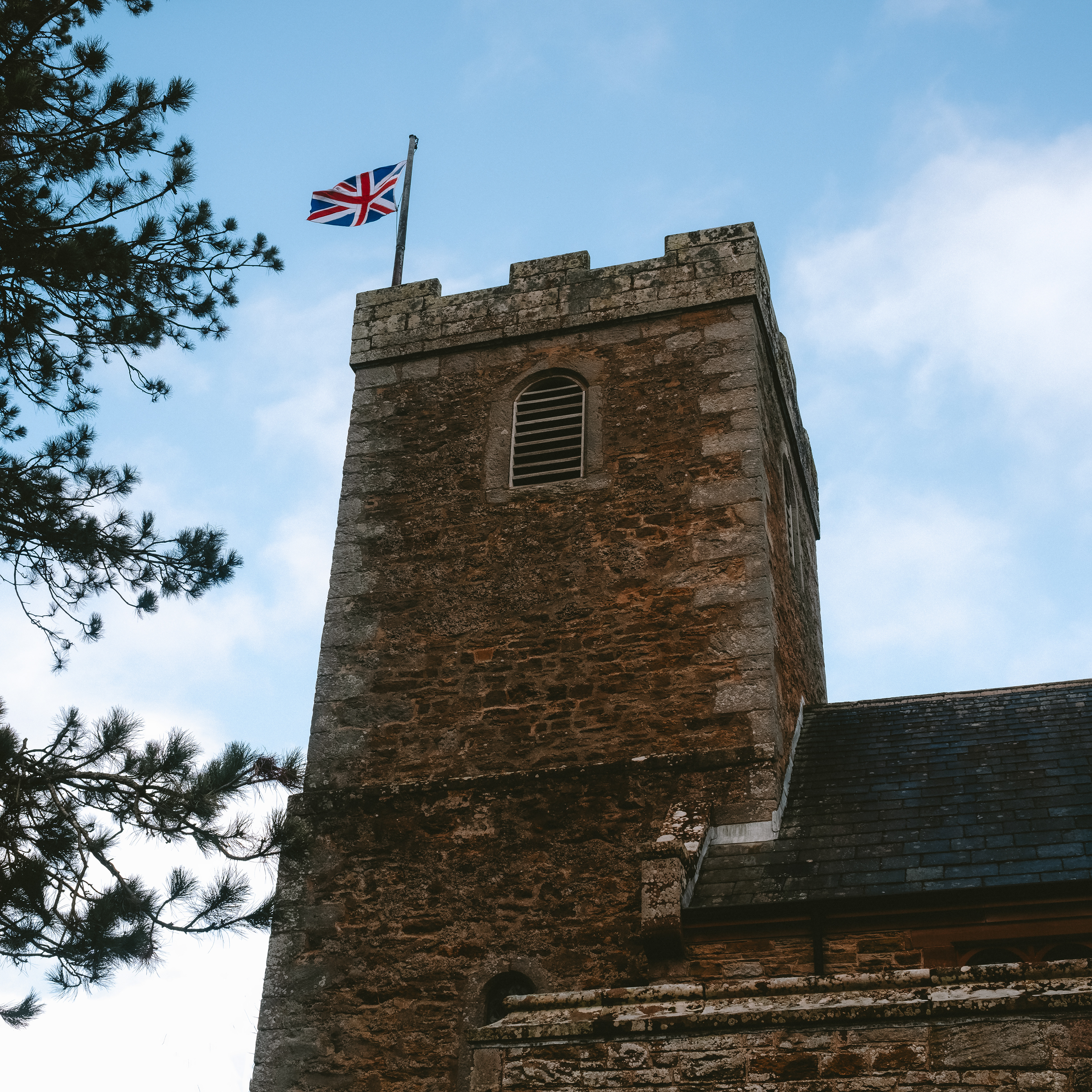
We came to the Watermill Café, a building that carries its history without fuss. Once a working watermill, it was built by a rector of Caldbeck on the riverbank just below the church. Above it, in the churchyard, lies John Peel — the legendary huntsman immortalised in the song D’ye Ken John Peel? Even if you don’t know the words, the name seems to belong to the place. Caldbeck has a way of holding onto its past without making a performance of it.
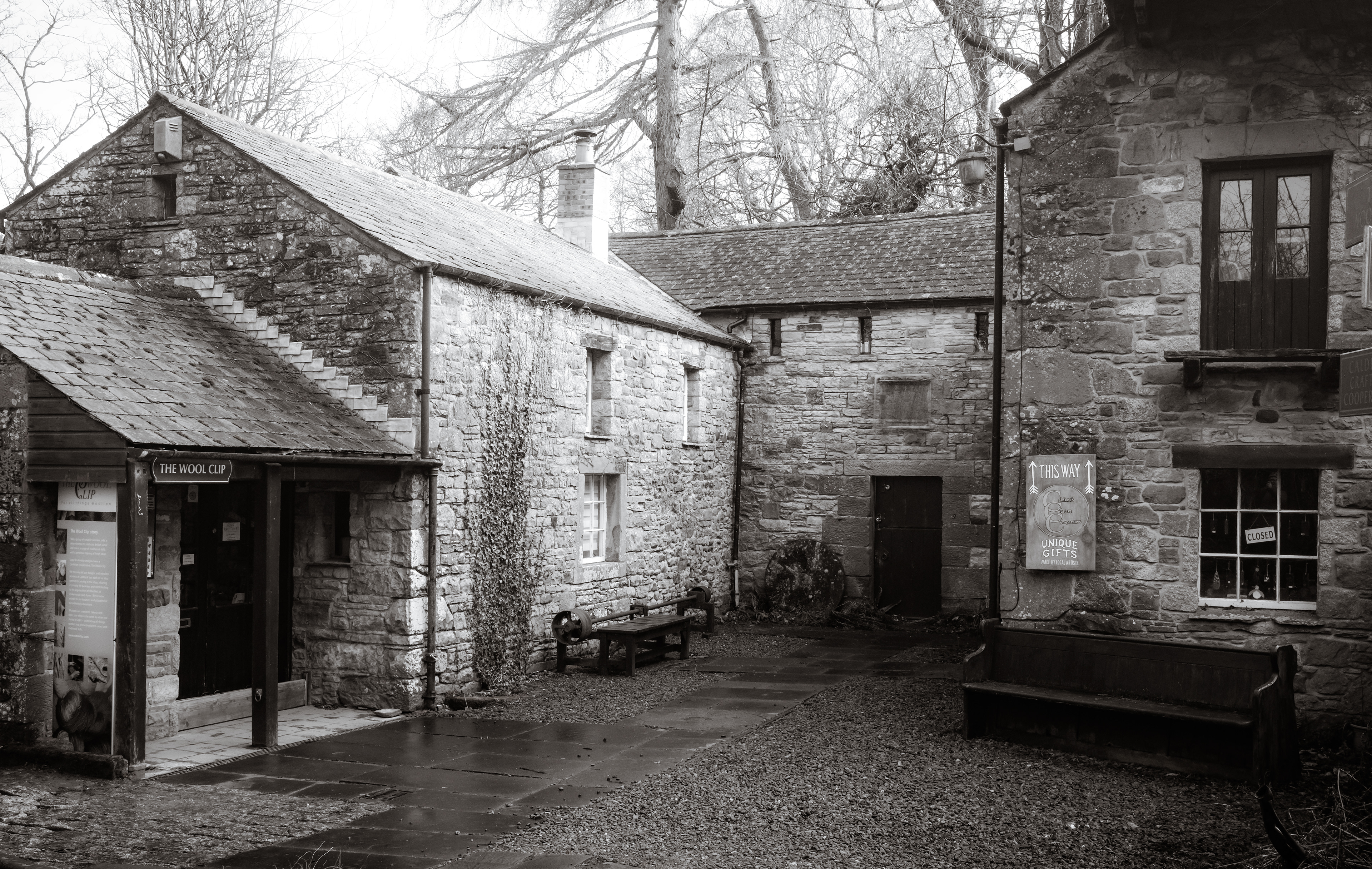
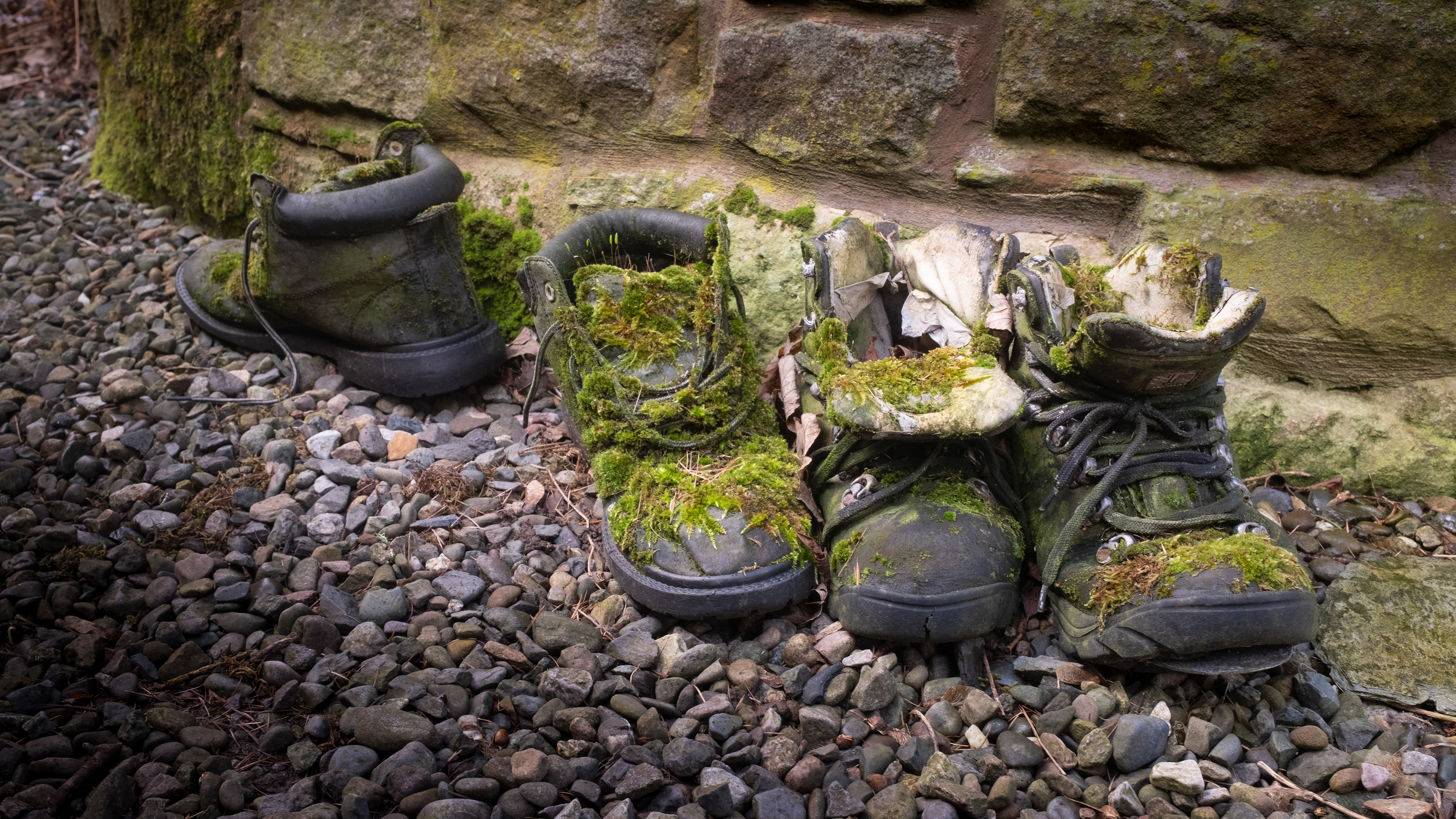
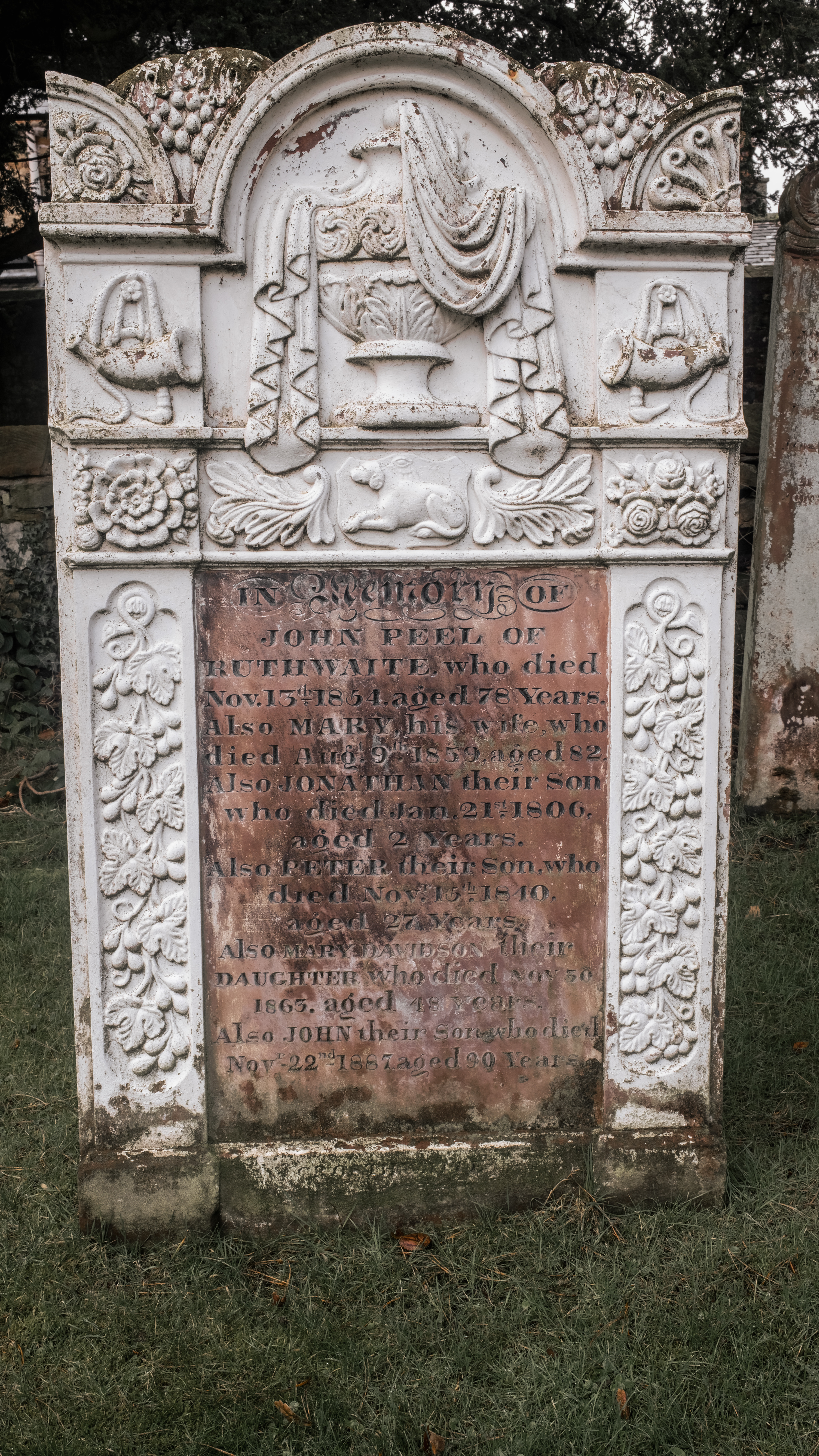
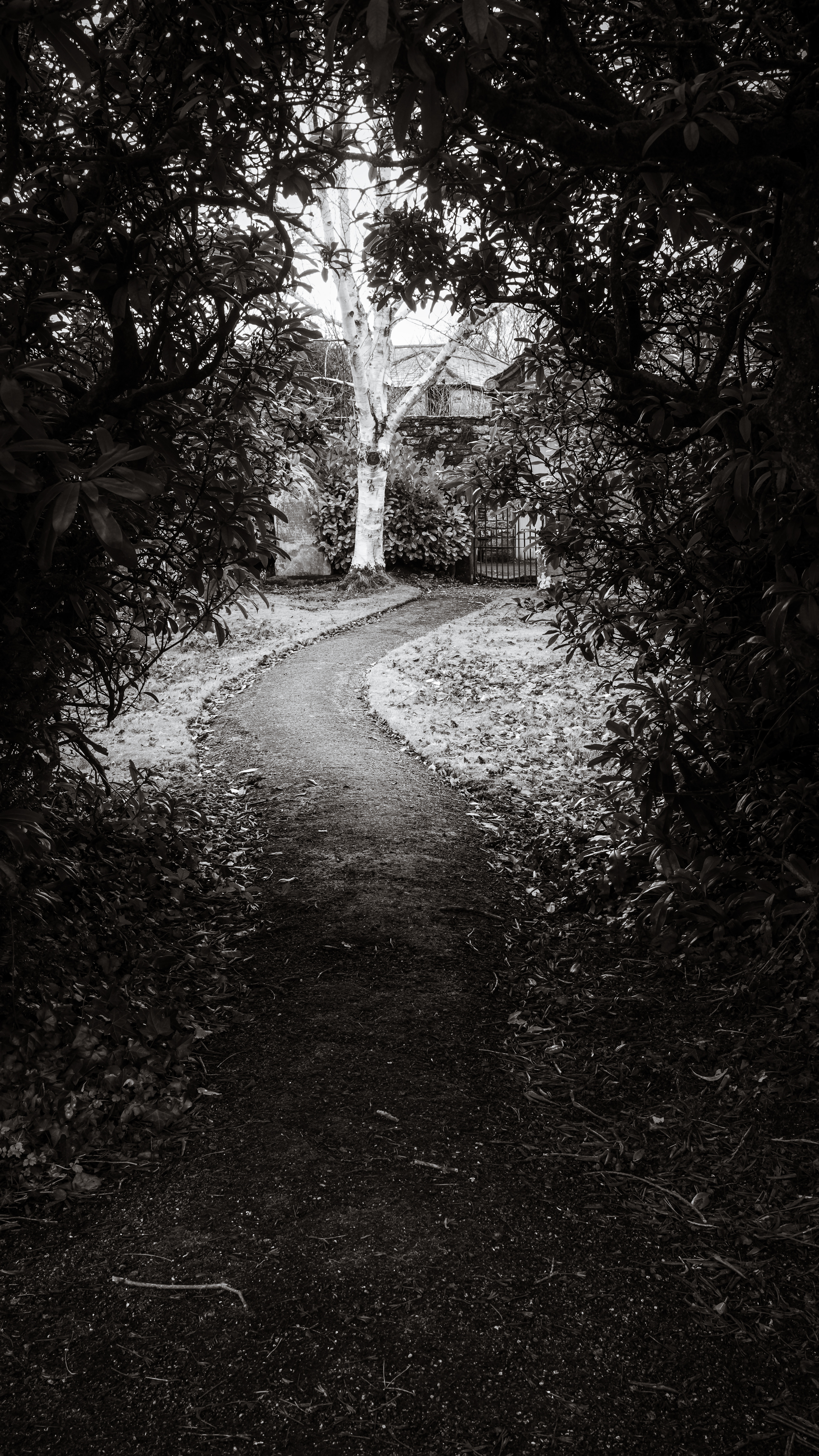
The café sits quietly by the water, its stone walls darkened by decades of weather. On a brighter day it might feel welcoming and warm; on this one it felt watchful, as if it had seen many winters come and go and wasn’t especially concerned by another grey afternoon.
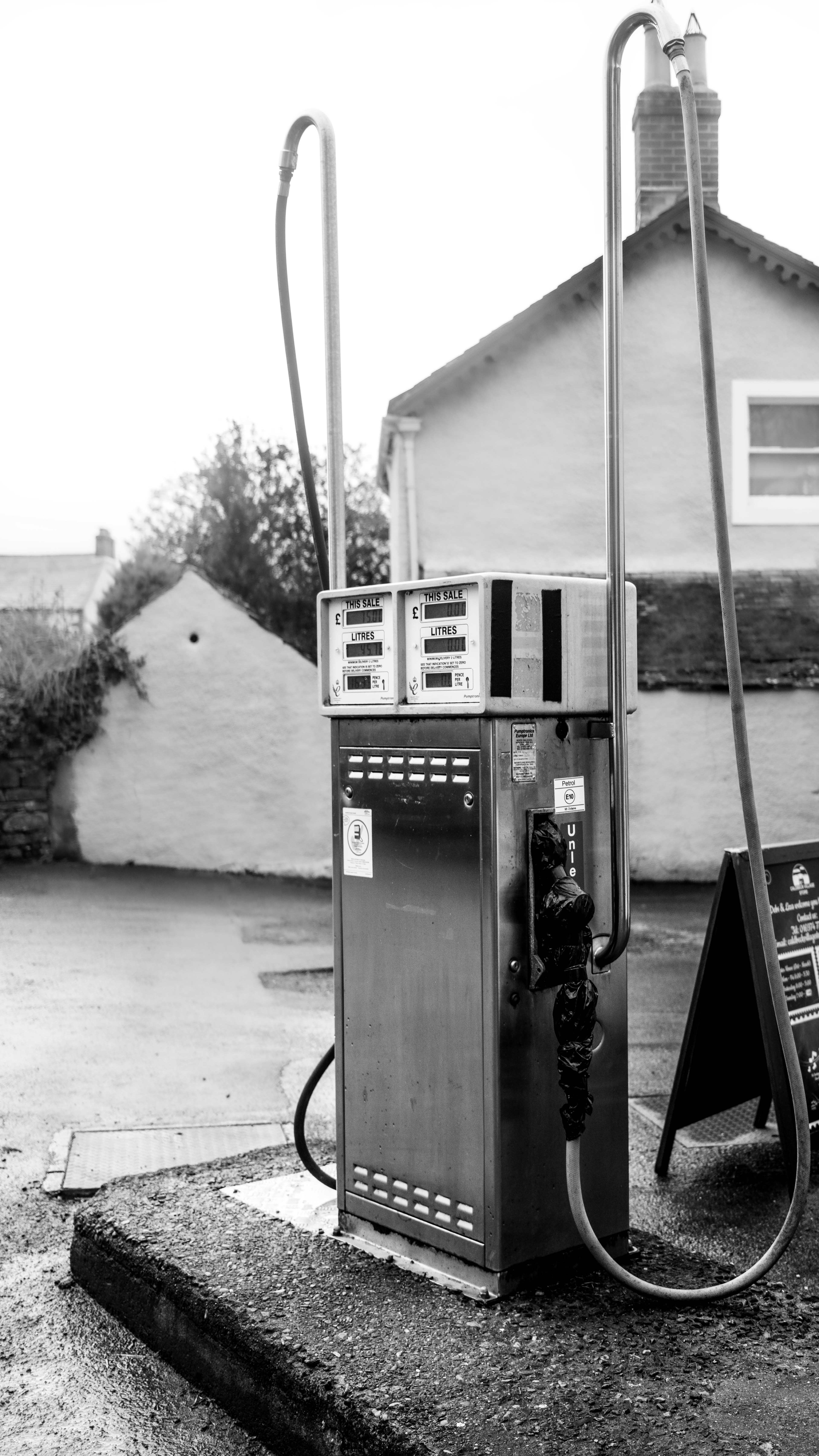
Wandering further into the village, we passed the village store, with the old petrol pump that still stands out front. It feels like a small act of defiance against modern tidiness. A reminder of when villages were villages, not destinations.
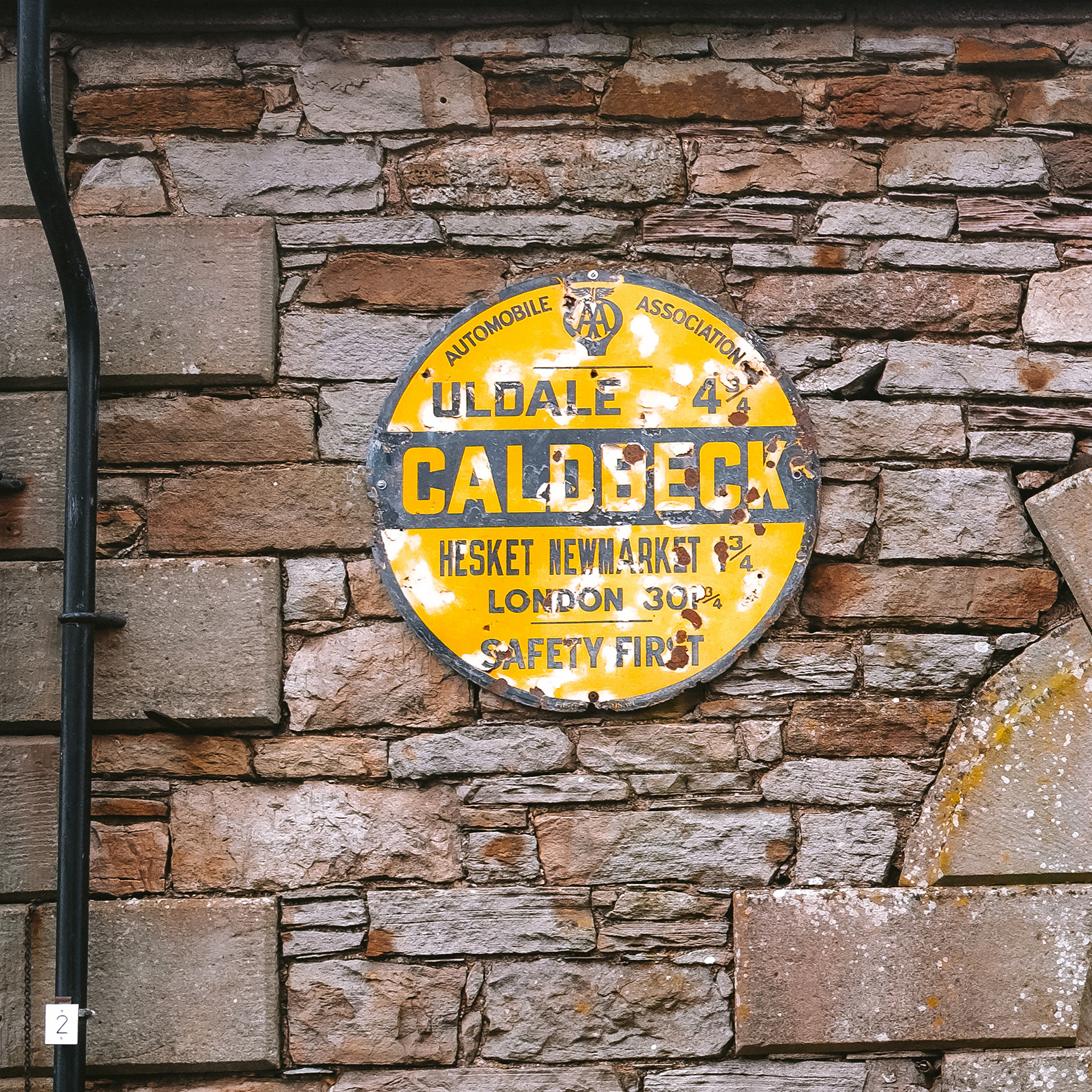
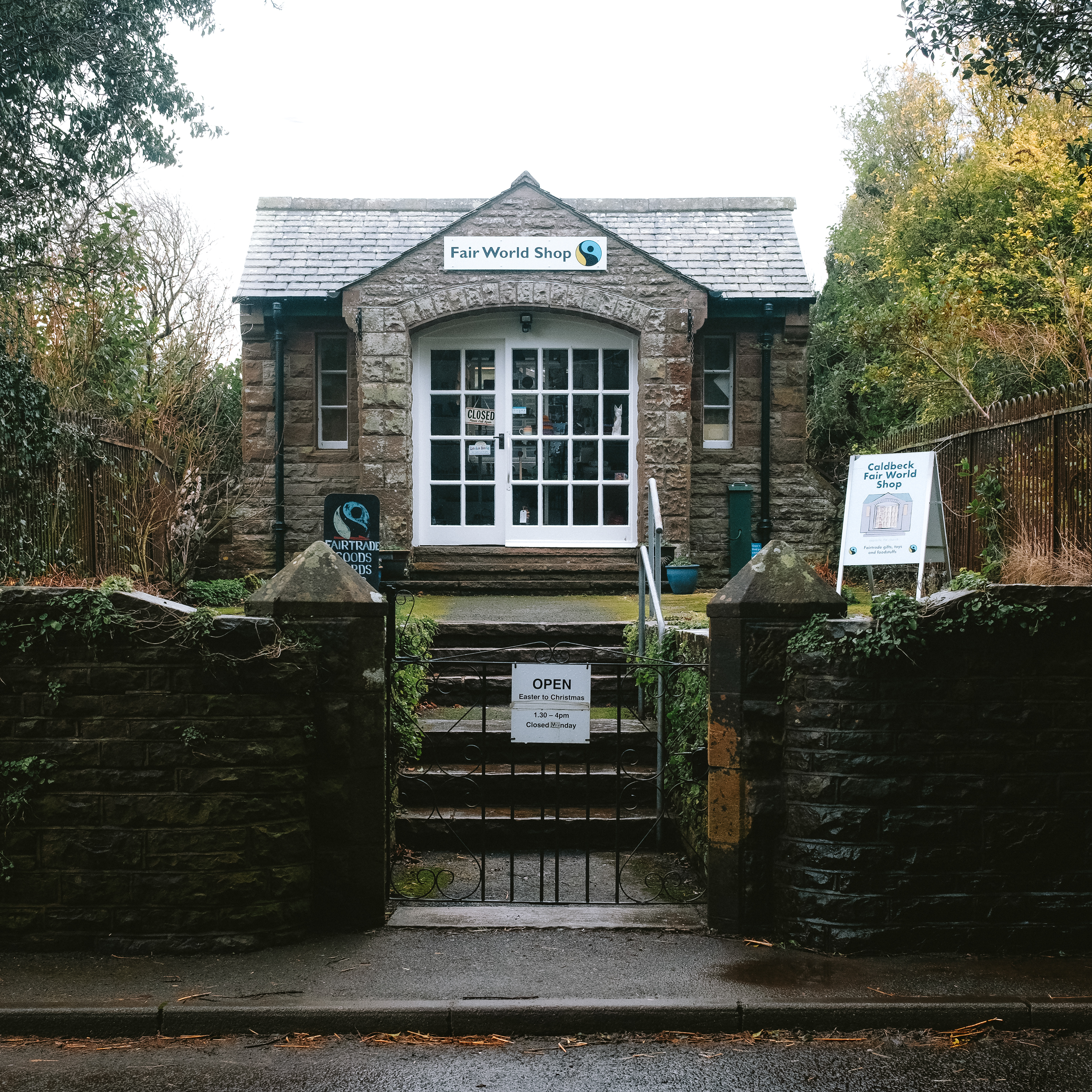
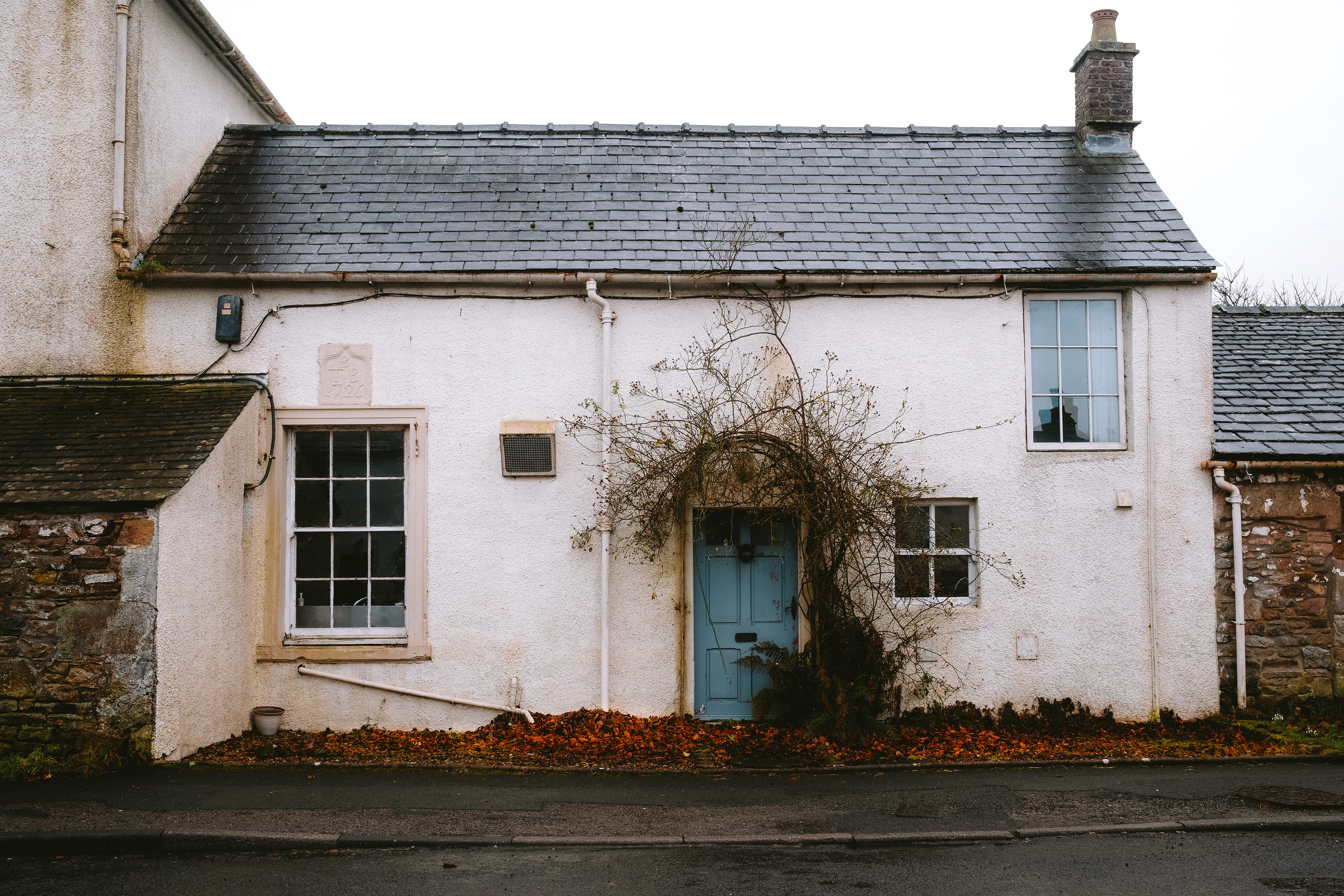
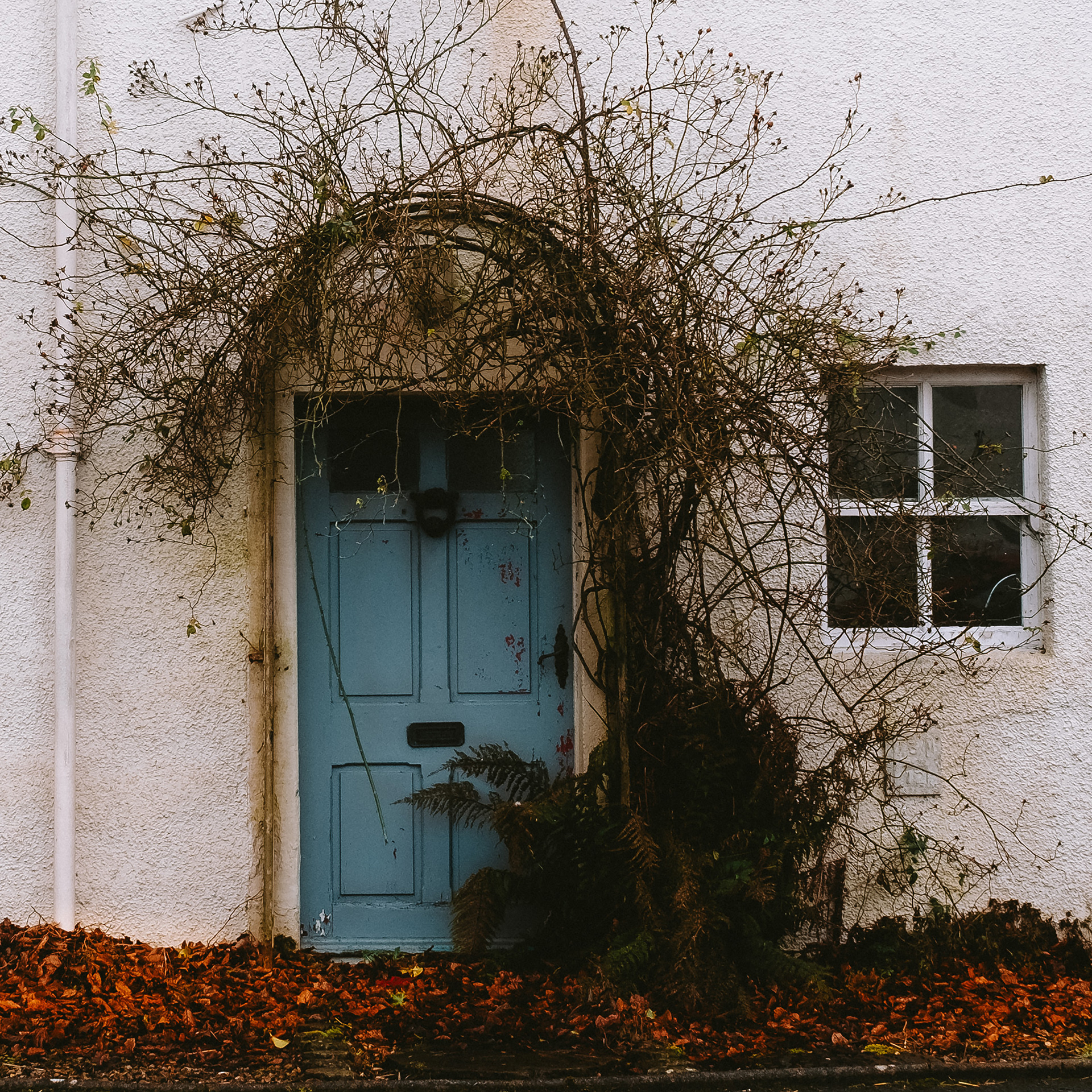
Caldbeck is one of those places that seems smaller than it is, partly because both sides of the road are lined with parked cars. Even on a winter weekend, it hints at how busy it becomes in summer. You know the feeling — places that are loved a little too much, worn smooth by feet and camera straps.
In summer, Caldbeck is a bonny village, full of colour and movement. On a misty grey day like this, though, it felt muted. Stone walls bled into the sky. Greens dulled to olive and moss. There’s honesty in that, I think. Not every place needs to perform all the time.
The name Caldbeck comes from the Old Norse, meaning “cold stream”, a nod to its origins as a water-powered mill village. The river has always been the reason this place exists. Everything else followed.
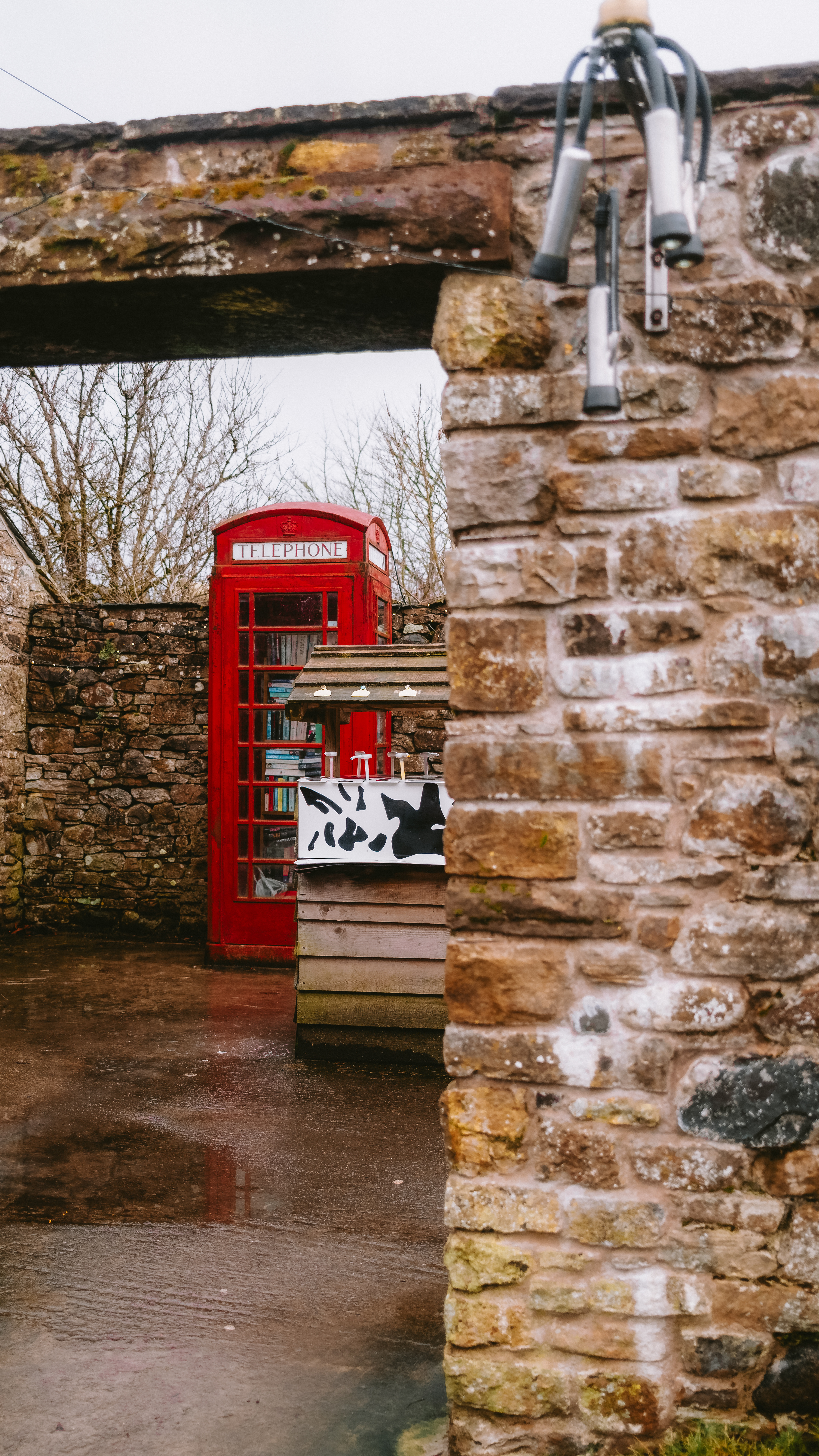
We headed out towards “The Howk”, passing the Pub ( Oddfellows Arms ) and the local working farm — now selling fresh milk, milkshakes, and baked goods. There’s something grounding about places that adapt without losing themselves. The farm felt quietly industrious, part of the present without erasing the past.
The path towards “The Howk” and the old bobbin mill was, as expected, fairly sludgey. February has a habit of doing that. Mud clung to boots, the ground soft underfoot, but it only added to the sense of being properly out. This stretch is especially beautiful in spring, when wild garlic spills across the banks and the air changes completely. On this day, it was stripped back — skeletal trees, damp earth, water pushing steadily through stone.
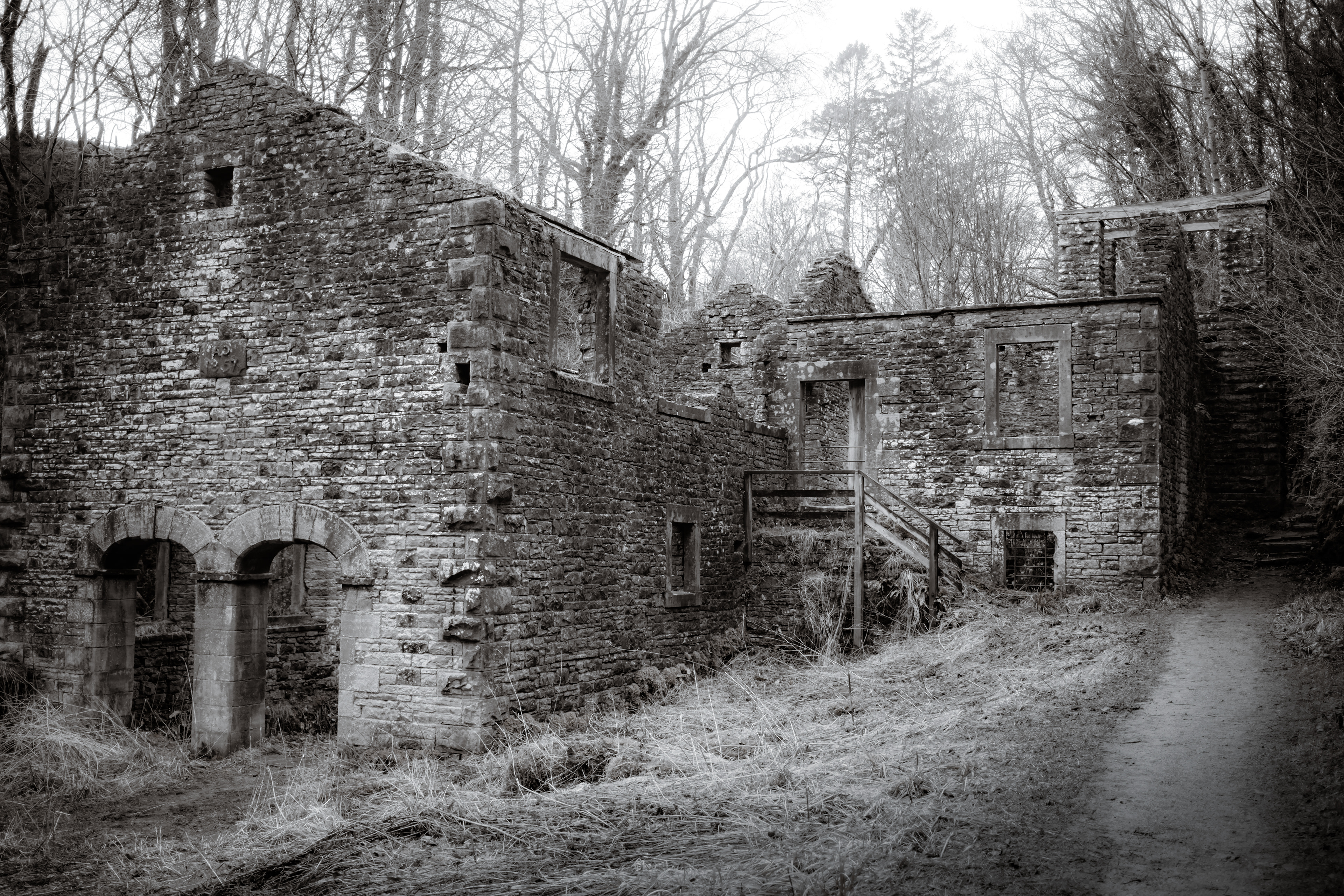
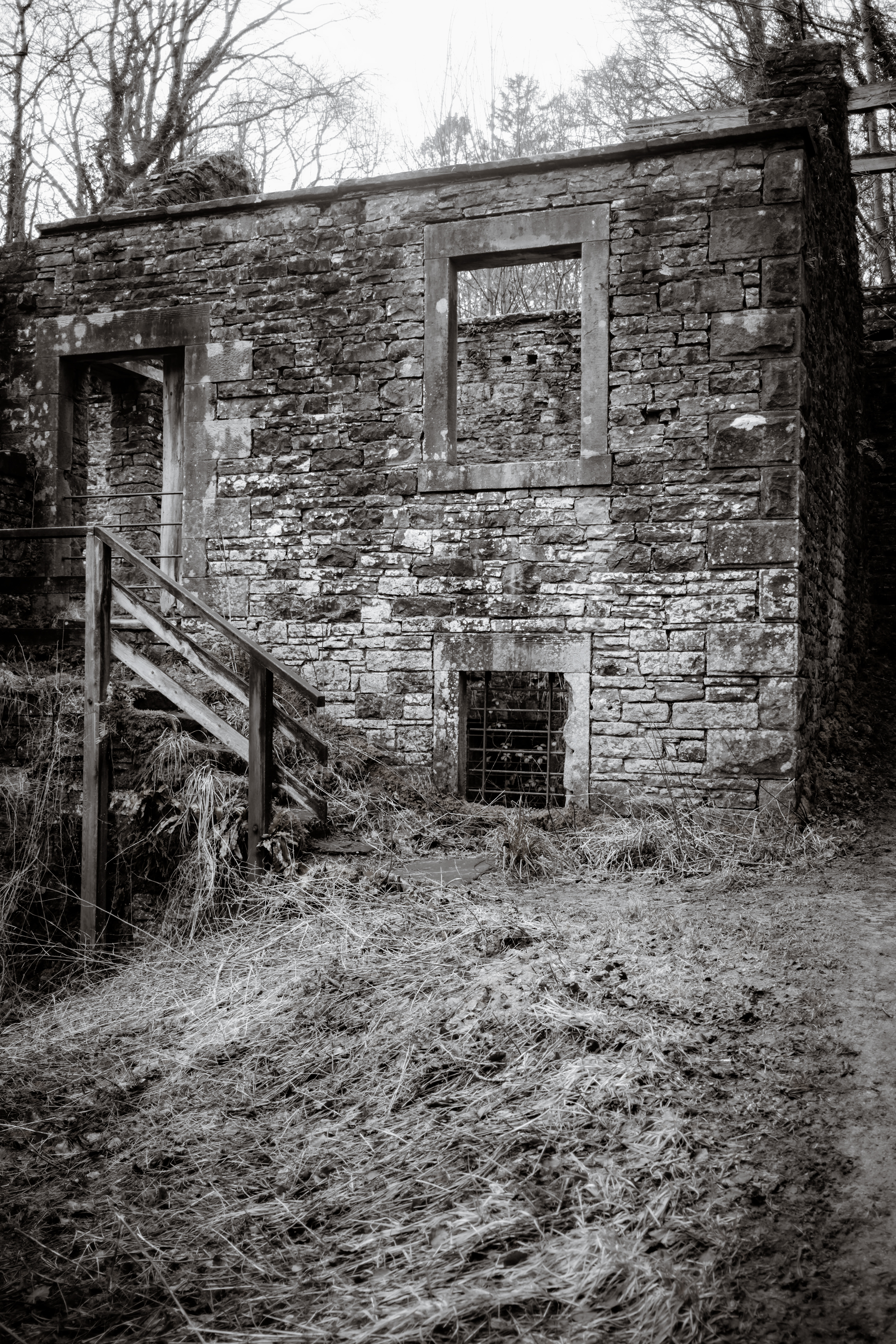
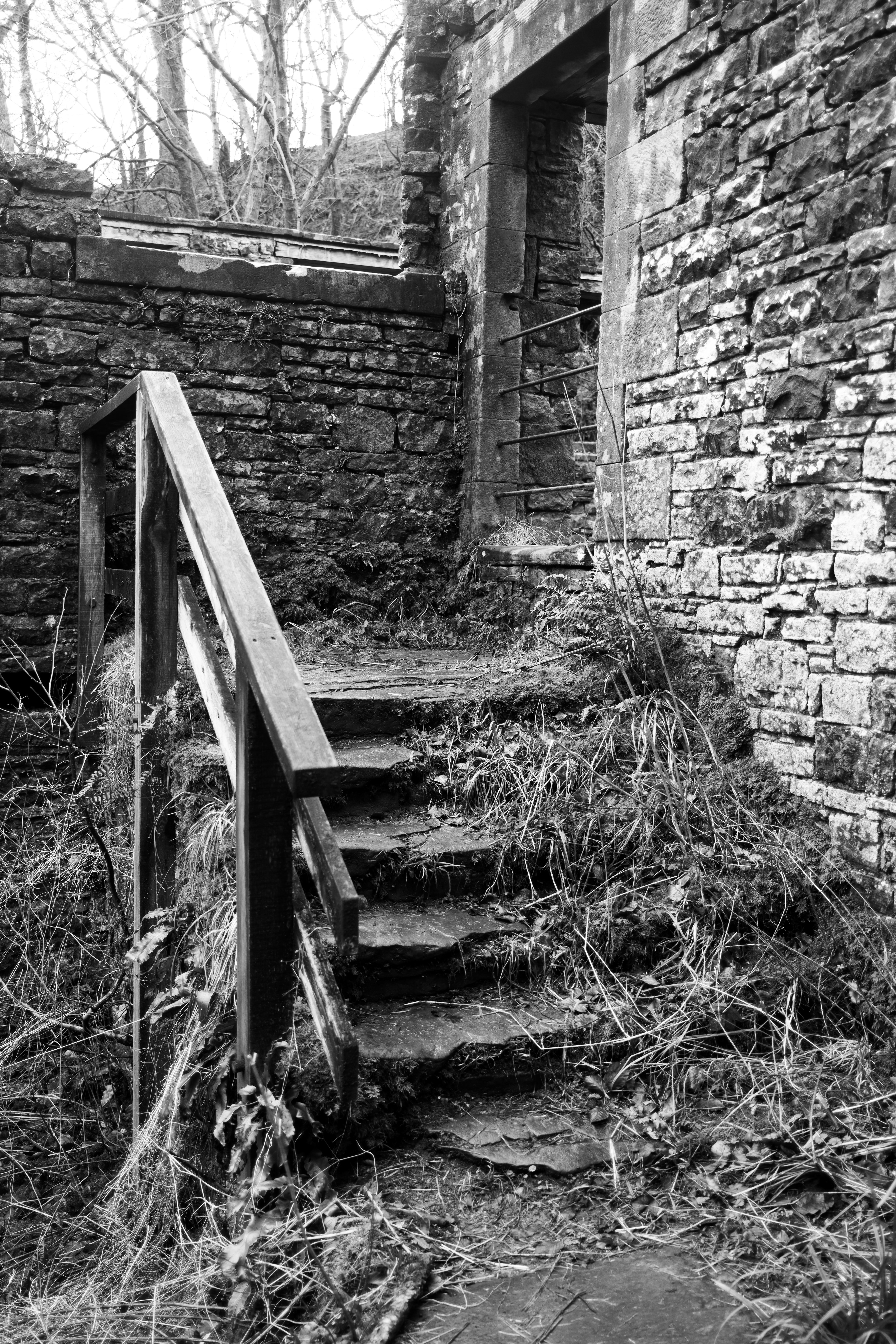
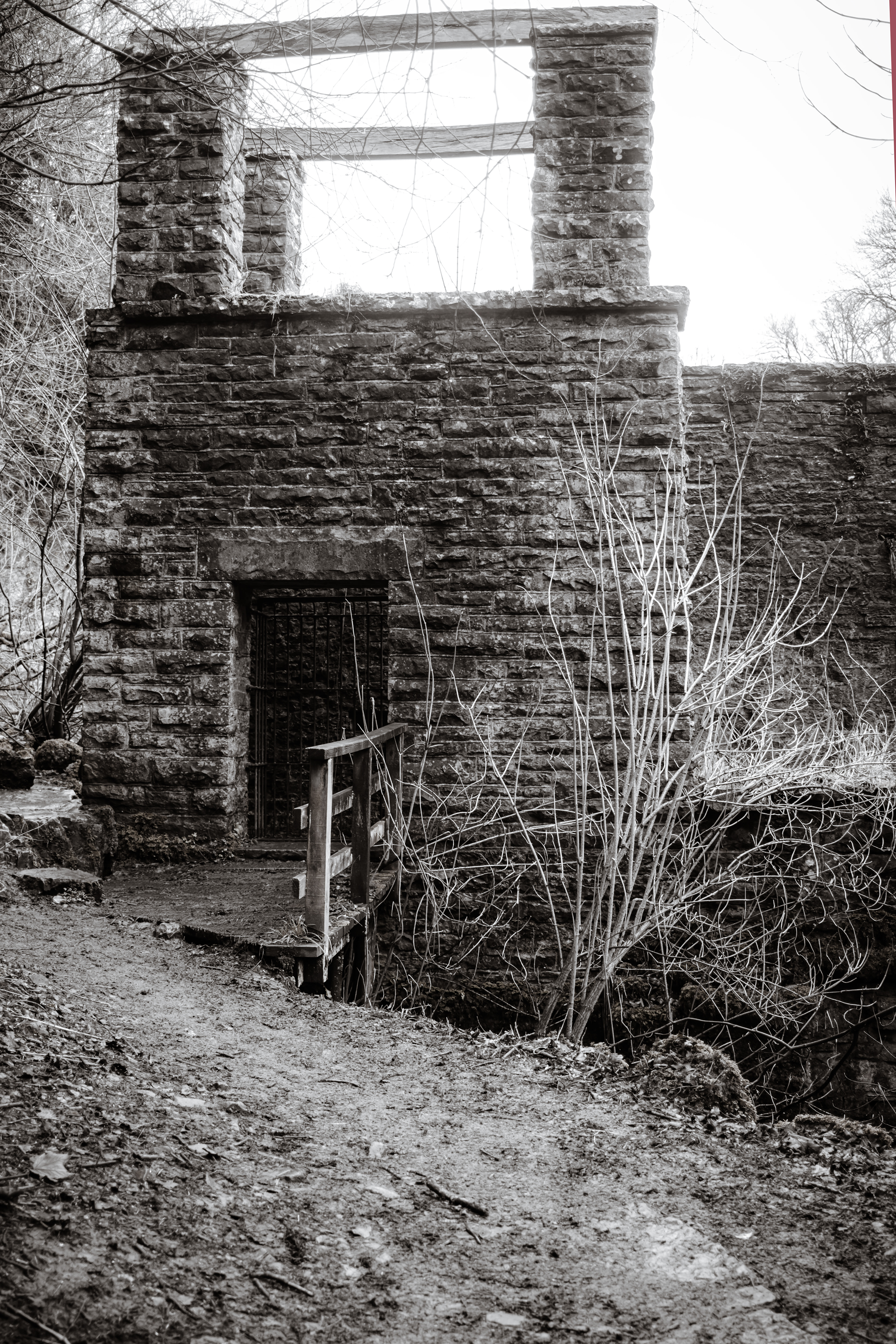
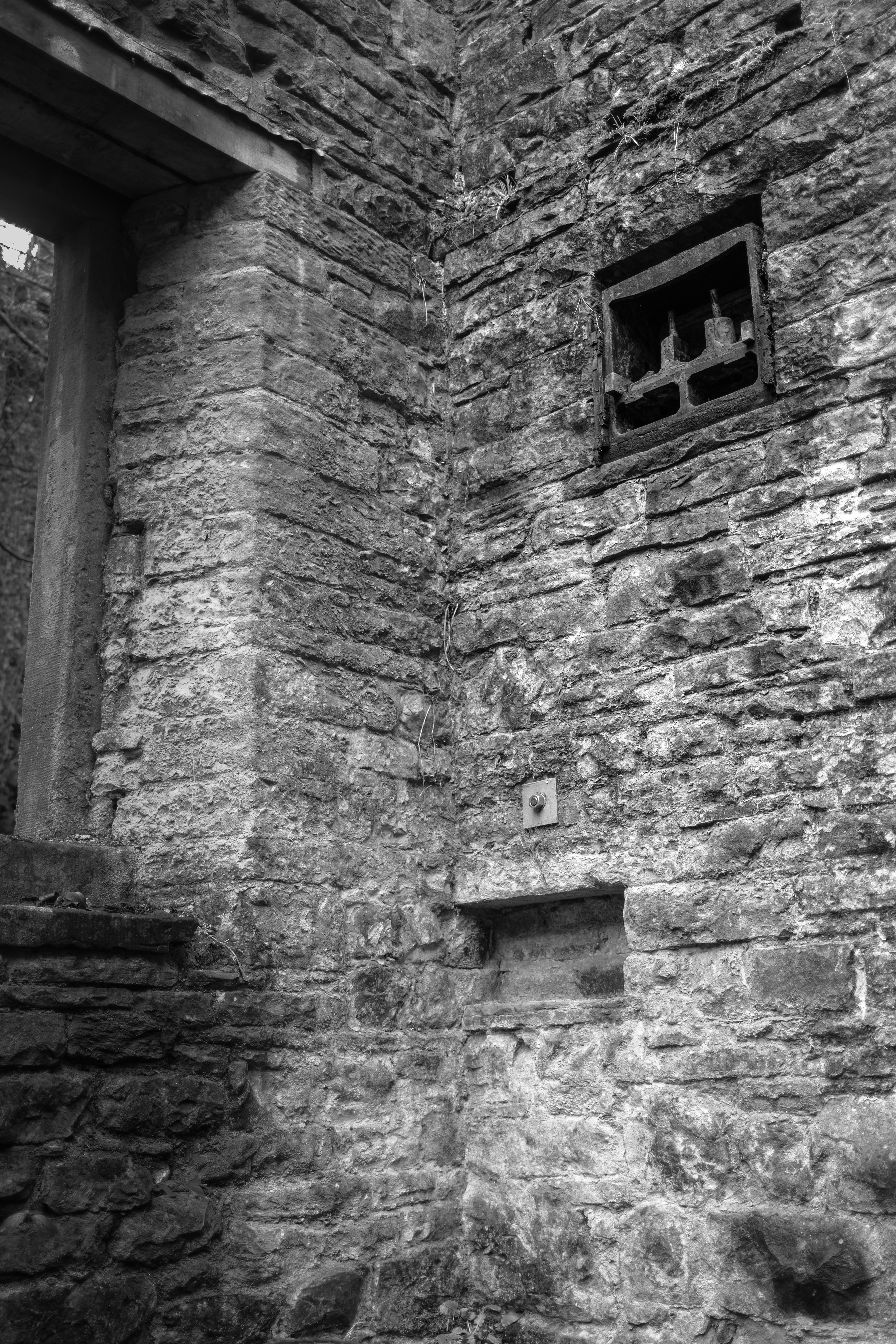
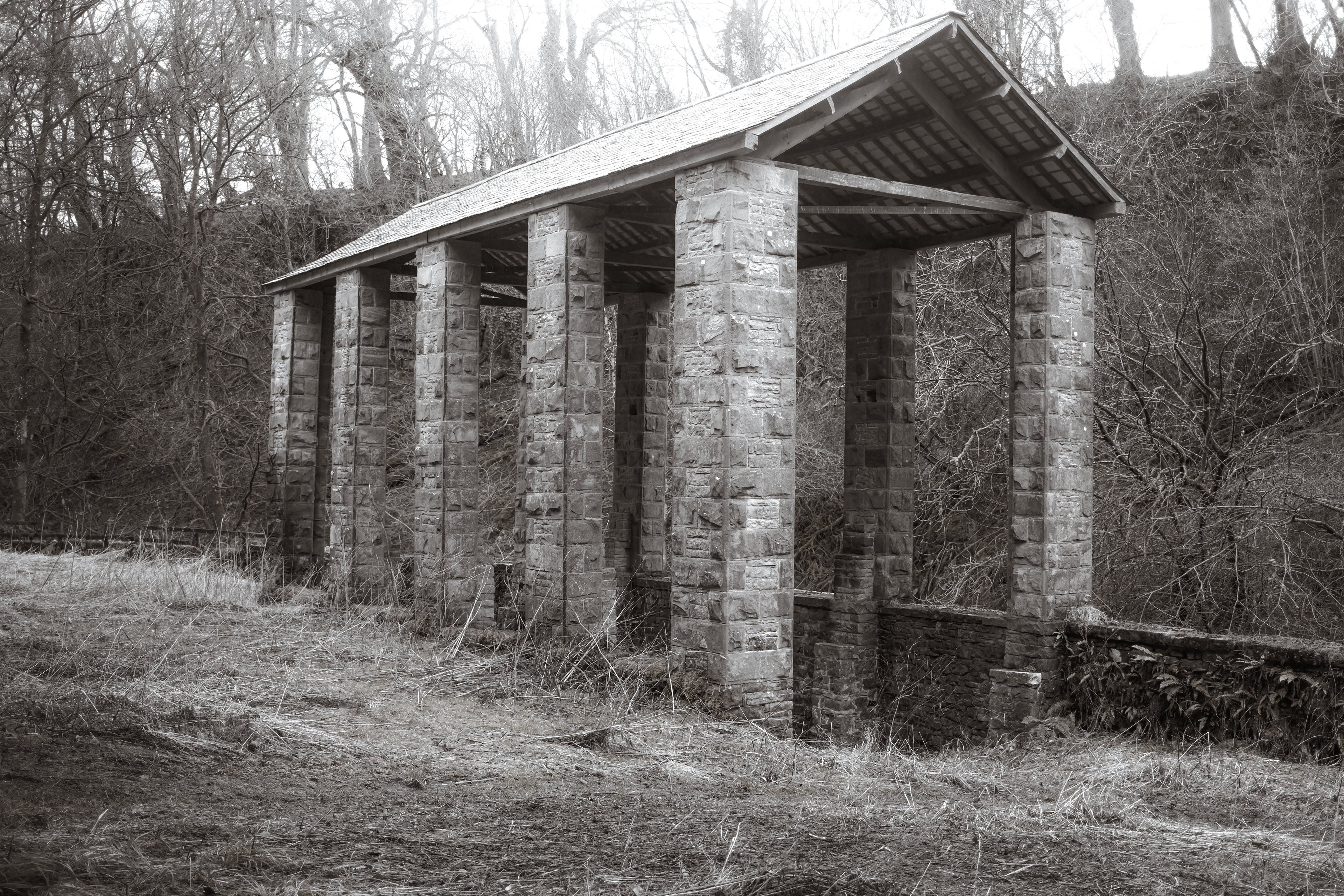
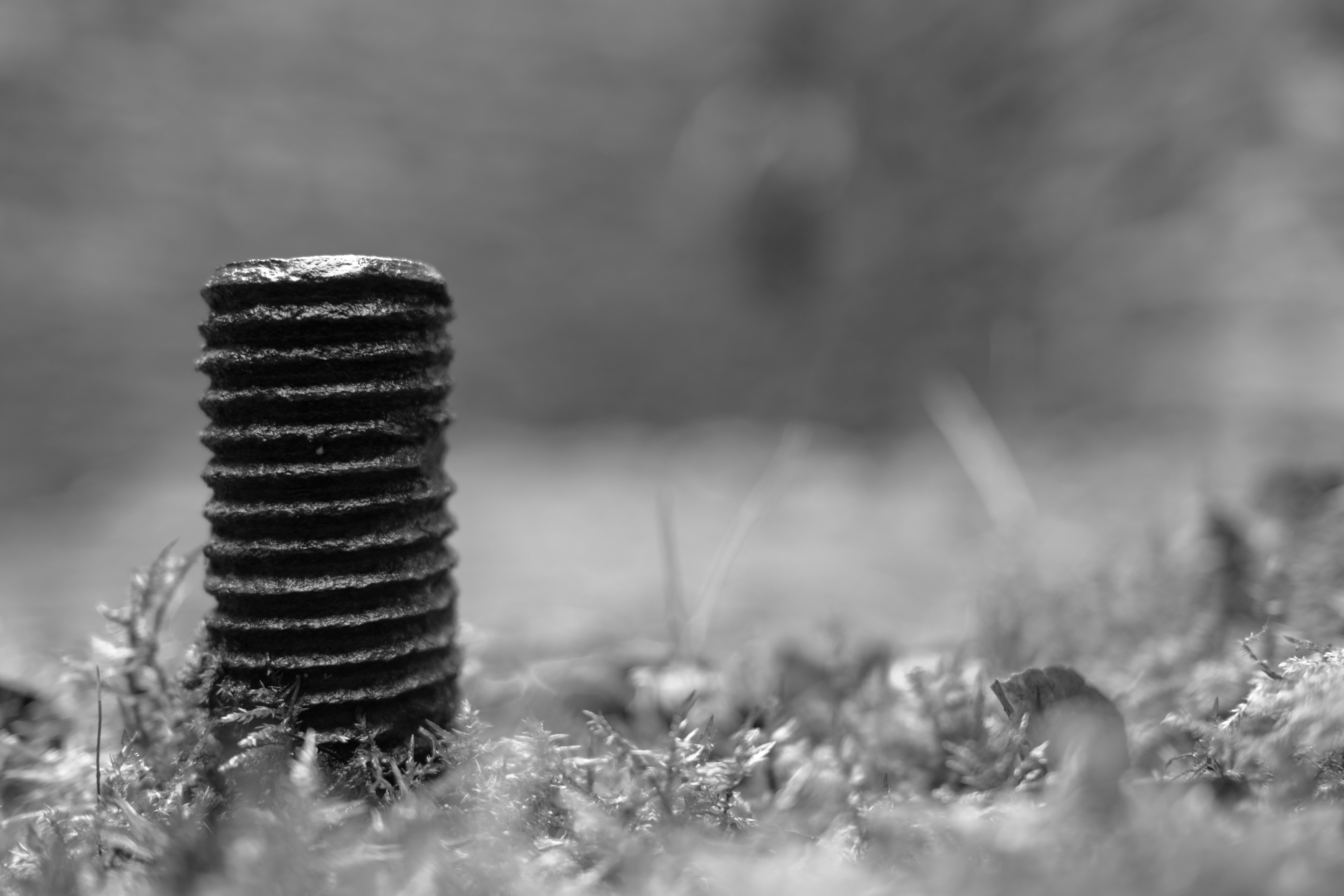
There’s a quiet reward in visiting places off-season, when they aren’t trying to impress you. Caldbeck doesn’t need sunshine to justify itself. On a grey day, it reveals something slower and more truthful. A village shaped by water, weather, and time — still carrying all three with it.
Sometimes, that’s more than enough
Joy.